Retailers are constantly setting goals.
- Increase sales.
- Improve retention.
- Elevate the customer experience.
- Create more accountability.
- Build a stronger team.
- Drive better results.
These are the goals most retailers care deeply about, and for good reason. They directly impact the health of the business.
But here is where many store owners get stuck: the goal is clear, the intention is there, and the team may even understand what needs to happen — but execution still breaks down.
The problem is not always the goal. The problem is often the leadership system supporting the goal.
Goals Do Not Create Execution on Their Own
A goal gives direction, but it does not automatically change behavior.
- You can tell a team that sales need to improve, but that does not mean the store leader knows how to coach sales behaviors on the floor.
- You can say retention needs to get better, but that does not mean managers are having the right conversations with their teams.
- You can emphasize customer experience, but that does not mean standards are being reinforced consistently throughout the day.
- And you can ask for accountability, but that does not mean leaders know how to hold people accountable without becoming reactive, unclear, or overly controlling.
This is where many store goals fail. They break down in the space between ownership’s expectations and the daily behaviors happening inside the store.
The Missing Link Is Leadership Capability
Most store owners do not have a goal-setting problem. They have a leadership development problem.
Store leaders are often promoted because they are reliable, experienced, strong sellers, or good with customers. Those qualities matter, but they do not automatically make someone an effective leader.
Leading a team requires a different skill set.
Store leaders need to know how to communicate expectations clearly. They need to coach in the moment. They need to observe behavior, give feedback, reinforce standards, and follow up consistently. They need to know how to connect business goals to daily actions.
Without those skills, even the best goals can become nothing more than talking points.
The team may hear the goal, but they do not experience the leadership needed to make the goal real.
Why Traditional Leadership Training Often Fails
Many businesses try to solve this with training. And training can be valuable.
But training alone is rarely enough.
The reason most leadership training fails is because it is treated like an event instead of a development process. A leader attends a session, gets motivated, takes notes, and comes back with good intentions. But once they return to the pace and pressure of the store environment, old habits take over.
Without repetition, coaching, accountability, and reinforcement, the training does not stick.
This is why there is such a big difference between training someone and developing someone.
Training introduces information. Development changes behavior.
Training can create awareness. Development creates consistency.
Training may inspire a leader for a day. Development gives that leader the tools, practice, feedback, and support to lead differently over time.
Leadership Development Has to Be Built Into the Business
If retailers want consistent execution, leadership development cannot be occasional. It has to become part of the operating rhythm of the business.
That means leadership development should not only happen during a workshop, a quarterly meeting, or when something goes wrong. It should show up in the way leaders are coached, measured, supported, and held accountable every week.
A strong leadership development system includes:
- Clear expectations around what leaders are responsible for.
- Regular coaching conversations that help leaders improve.
- Repetition and reinforcement so new habits stick.
- Practical application inside the store environment.
- Accountability that focuses on both results and behaviors.
- Measurement beyond final outcomes.
This is what turns leadership from a title into a practice.
Measure the Behaviors That Drive the Results
One of the biggest shifts retailers can make is to stop measuring only the final result.
Sales matter.
Retention matters.
Customer experience scores matter.
But those numbers are lagging indicators. They tell you what happened after the fact.
If you want to improve results, you also have to measure the behaviors that create those results.
For example, if sales are the goal, look at the leadership behaviors connected to sales performance. Are leaders coaching on the floor? Are they giving specific feedback? Are they reviewing opportunities with the team? Are they reinforcing expectations daily?
If retention is the goal, look at the leadership behaviors connected to team experience. Are leaders checking in with employees? Are they communicating clearly? Are they recognizing strong performance? Are they addressing issues before they become bigger problems?
If customer experience is the goal, look at how consistently leaders are modeling, coaching, and reinforcing service standards.
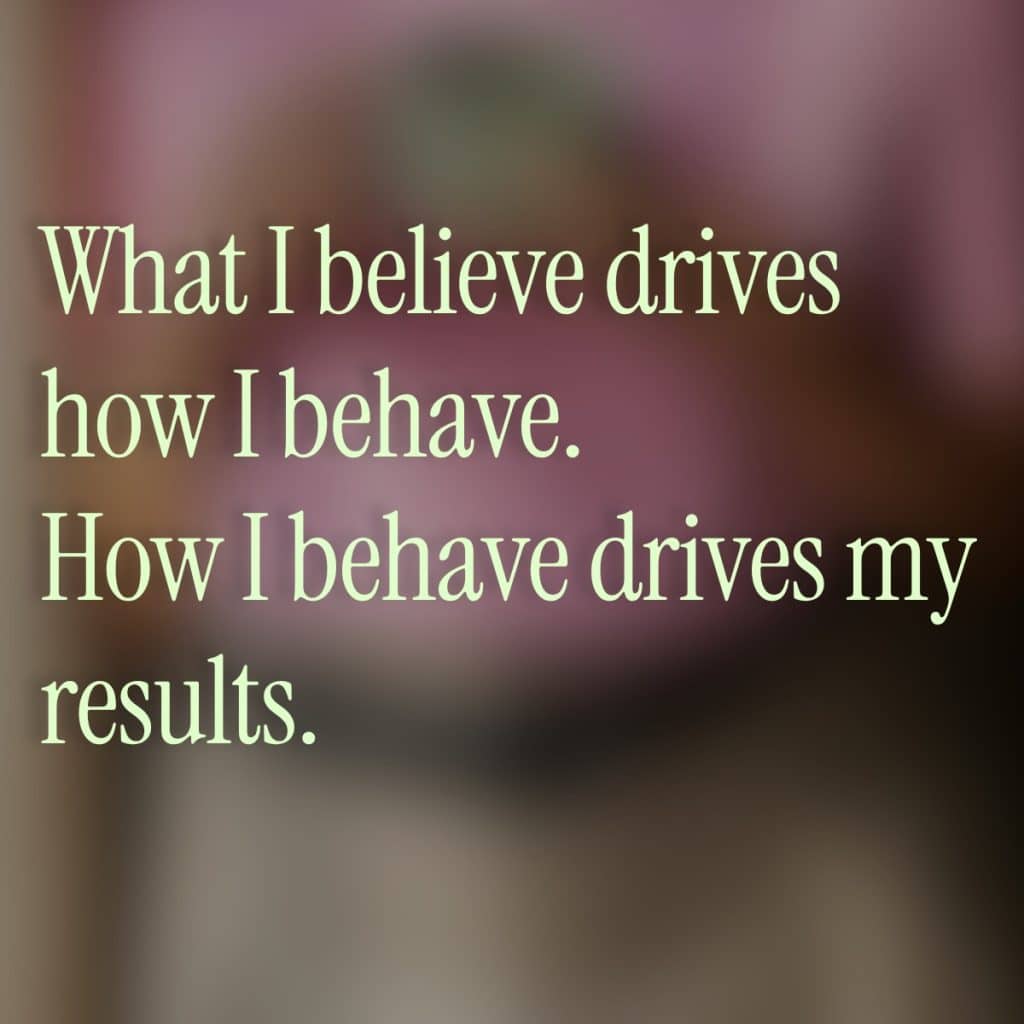
The result matters, but the behavior creates the result.
Accountability Without Micromanaging
Many store owners want more accountability, but they do not want to micromanage. The key is to create structure without taking over every decision.
Accountability does not mean hovering. It means creating clarity, following up consistently, and making sure leaders understand what is expected of them.
Micromanaging says, “I need to control everything.”
Healthy accountability says, “We are clear on the expectation, we are clear on the behaviors that support it, and we are going to follow up consistently.”
When leaders are developed well, accountability becomes less reactive. It becomes part of how the business operates.
The Stores That Win Build Leadership Systems
High-performing stores do not rely only on strong goals or good intentions. They build systems that help leaders execute.
They create rhythms for communication. They coach consistently. They reinforce standards. They measure behavior. They follow up. They develop leaders before there is a crisis.
That is what creates consistency.
Retailers who want stronger results should ask themselves:
- Are my leaders equipped to coach the behaviors I expect?
- Do they know how to translate goals into daily actions?
- Are we reinforcing leadership habits consistently?
- Are we measuring the behaviors that produce the results?
- Are we treating leadership development as a system or as a one-time event?
The answers to those questions often reveal why execution is or is not happening.
Final Thought
Store goals do not usually fail because the goals are wrong.
They fail because the leadership system underneath the goals is not strong enough to support consistent execution.
If retailers want better sales, stronger retention, improved customer experience, and more accountability, leadership development has to become part of the operating system of the business.
Because the stores that execute consistently are not just setting better goals.
They are developing better leaders.
This is what Running Great Stores Retail Consulting does, we help retailers create or improve existing leadership systems so there is clarity and consistency in how stores operate driving better customer and employee experiences. To learn more, visit https://www.runninggreatstores.com.